

Removing Overgrowth Reduces Fire Risk, Flooding, and Structural Damage
Land clearing helps prevent future property hazards by removing dead trees, thick brush, and hidden debris that can lead to fires, flooding, pest problems, and structural damage. When unwanted growth takes over your lot, small issues grow into expensive repairs. Clearing and maintaining your land keeps it safer, cleaner, and easier to manage year after year.
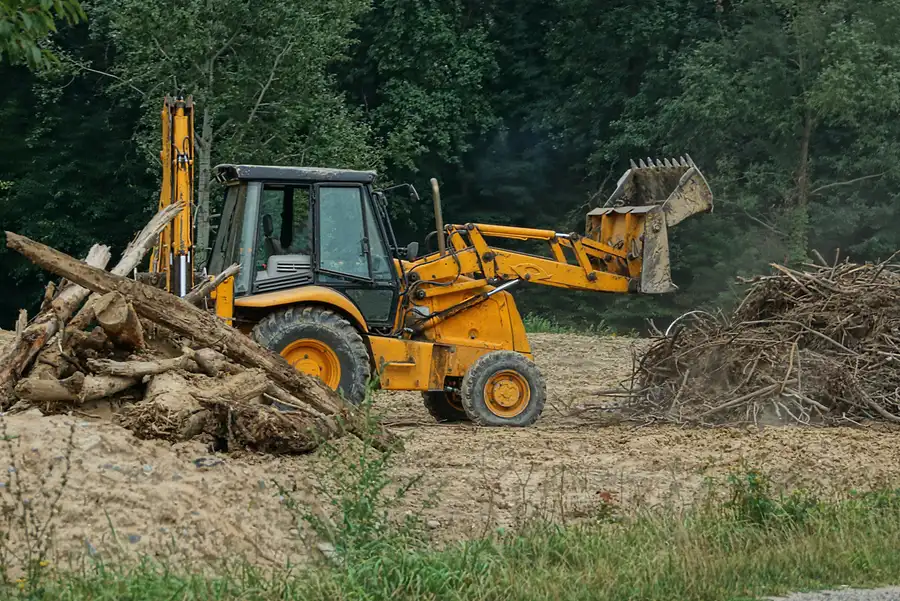
Why Prevention Matters
Overgrown land is more than just an eyesore. Dry brush and fallen limbs can become fuel for wildfires. Thick roots can crack driveways and damage foundations. Poor drainage caused by unmanaged vegetation can lead to standing water around your home.
When you invest in land clearing early, you lower the risk of these problems. Clearing opens up airflow, improves drainage, and removes unstable trees before they fall. It also makes your property easier to inspect and maintain.
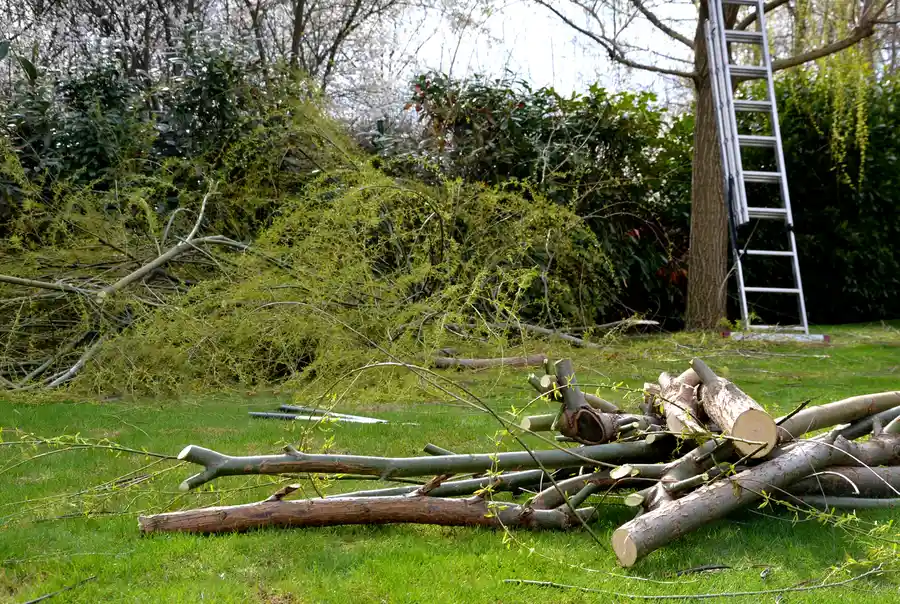
Early Warning Signs of Trouble
You do not have to wait for damage to happen. There are clear signs that your property may be at risk.
- Large areas of dead or dry brush
- Trees leaning toward structures or power lines
- Thick vines growing on fences or walls
- Standing water after heavy rain
- Rodent or termite activity near wooded areas
- Cracked pavement caused by spreading roots
If you see one or more of these signs, your property could face bigger problems later. Taking action early saves time and money.
Seasonal and Routine Checklist
Property hazards often change with the seasons. A simple routine can help you stay ahead of damage.
- Walk your property each spring and fall.
- Remove fallen branches and storm debris.
- Trim back overgrown shrubs near buildings.
- Clear brush at least 30 feet from structures.
- Check for drainage issues after heavy rain.
- Remove dead trees before storm season.
Regular land clearing does not mean stripping your land bare. It means managing growth so it stays healthy and safe.
Best Practices for Long-Term Results
Good land management is about balance. You want safe, usable space without harming the natural layout of your property.
Start by removing invasive plants and weak trees. These often spread fast and crowd out stronger growth. Next, thin densely wooded areas so air and sunlight can pass through. This helps reduce mold, rot, and pest activity.
Proper grading is also key. When land clearing includes light grading, water flows away from structures instead of pooling near foundations. This lowers the risk of erosion and basement leaks.
Mulching cleared vegetation can also help. It protects soil from erosion and keeps weeds from returning too quickly.
What Not to Do
While clearing land can prevent hazards, doing it the wrong way can create new problems.
- Do not remove too many trees at once, which can cause erosion.
- Do not leave large stumps untreated, as they attract pests.
- Do not ignore local regulations about protected areas.
- Do not attempt large tree removal without proper equipment.
Trying to handle heavy clearing with basic tools can lead to injury or property damage. Large roots and trees require proper machinery and training.
When to Schedule Professional Help
Small yard cleanup is manageable for many homeowners. But larger projects require experience and equipment.
You should schedule professional land clearing when:
- Your property has heavy tree coverage
- There are trees close to structures
- Your lot has uneven or sloped terrain
- You are preparing for construction
- Drainage issues continue after basic cleanup
A trained crew can identify hazard risks that are easy to miss. They can safely remove problem trees, clear dense undergrowth, and shape the land to improve water flow. This protects your home, buildings, and investment for the long term.
Protect Your Property the Right Way
Keeping land clear and maintained reduces fire danger, prevents water damage, and lowers the risk of falling trees and pest infestations. In Fairbanks, AK, changing weather and seasonal storms can quickly turn unmanaged land into a safety issue. At Great Alaska Tree Company, we help property owners take control of their land before small risks grow into serious damage. Call us at (907) 978-4702 to schedule a consultation and let us create a safer, more manageable property for you.